Inspiration behind Pack Saddle Ranch series
 |
Dear Reader,
It’s wonderful to see so many of you enjoying the Pack River series! I wanted to share a little bit of the region’s history, as I’ve found that many readers of historical fiction, including historical romance, have a deep appreciation for history.
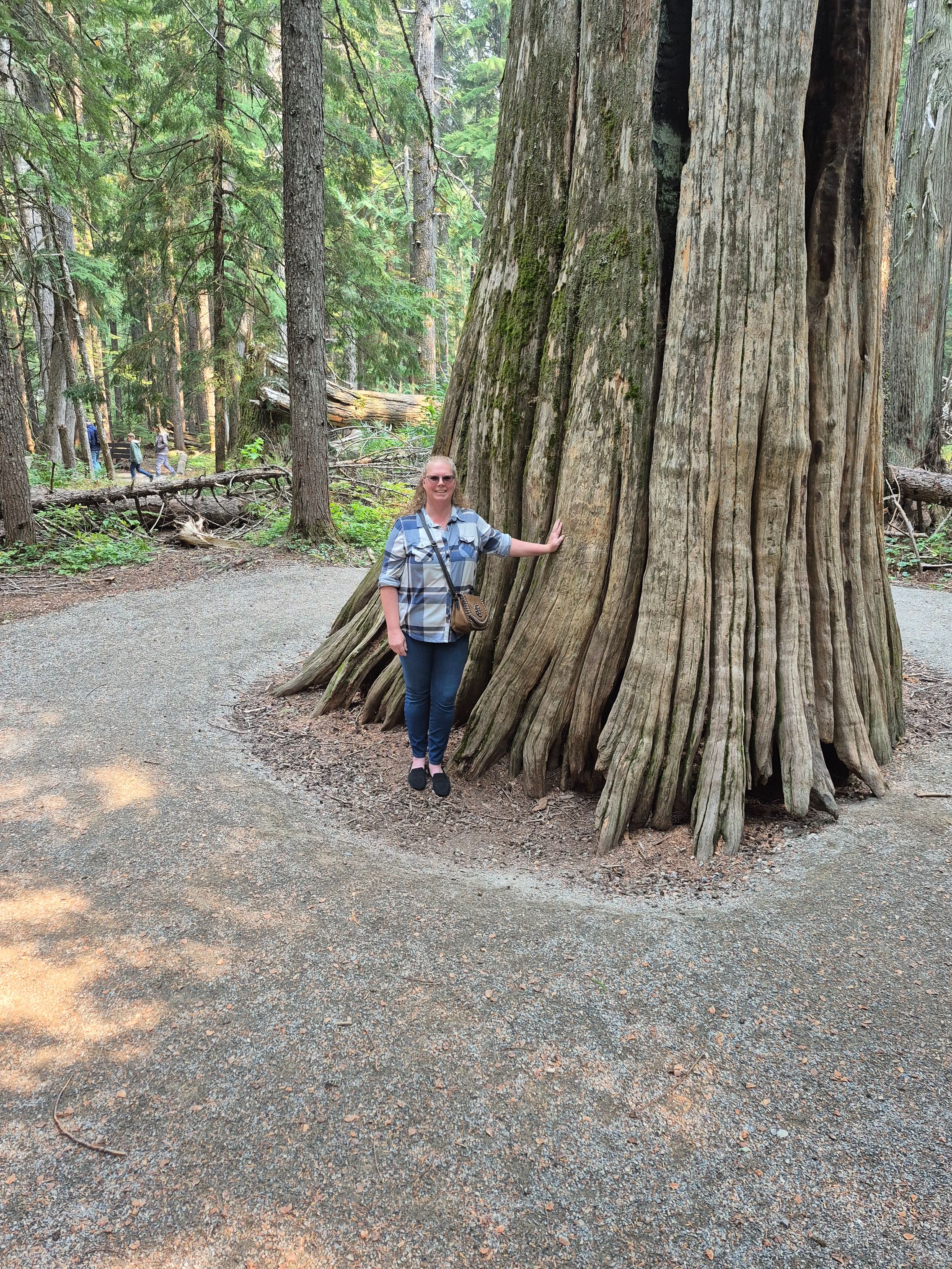
The image above is me visiting Ross Creek Cedars in Monatana as I was writing the first book, The Rancher’s Healing. This grove is located about an hour from the Pack River Valley, but one of the last representations of what this area ones looked like before Humbird and other lumber companies came through and left the stumps. Just imagine what it was like a hundred years ago to try and remove a field of these stumps. They were giants.In the 1920s and 1930s, the Pack River Valley was far from the tranquil rural area we know today. It was a landscape still showing the lasting impact—and potential—of the major logging era.
The Humbird Lumber Company and other businesses had harvested the valley’s white pine and cedar, leaving behind debris, marshy ground, and persistent stumps. Families who purchased or claimed this logged-over land eventually referred to their homesteads as stump ranches.
At nearby Selle, settlers such as Charles and August Selle, Fred McLain, James Carnegie, George Shurtliff, William Cullen, Alexander Duval, and Elmer Sisson worked land the Spokane International Railroad had cut for ties. Many Scandinavian families arrived between 1912 and 1925 and began the backbreaking work of clearing stumps and making fields. Hay was a sensible crop in North Idaho’s short growing season, and it fed the horses that still powered the woods and the farms.
The river itself held the legacy of the logging era. In spring, marked logs would surge down the Pack River in massive drives, only to be corralled at the lake and then towed towards Sandpoint’s mills. However, by the early 1930s, the very industry that had shaped the region was in decline. Humbird’s mill ceased operations in 1931, a casualty of the Great Depression, leaving farming families with fewer employment opportunities, less income, and more difficult decisions to make.
That is the world behind my fictional stump ranch: not an invented hardship, but a real North Idaho story of immigrant families, dangerous work, land wrested from forest, and the determination to keep going when the economy failed them.
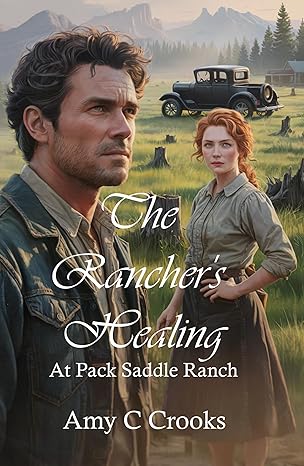
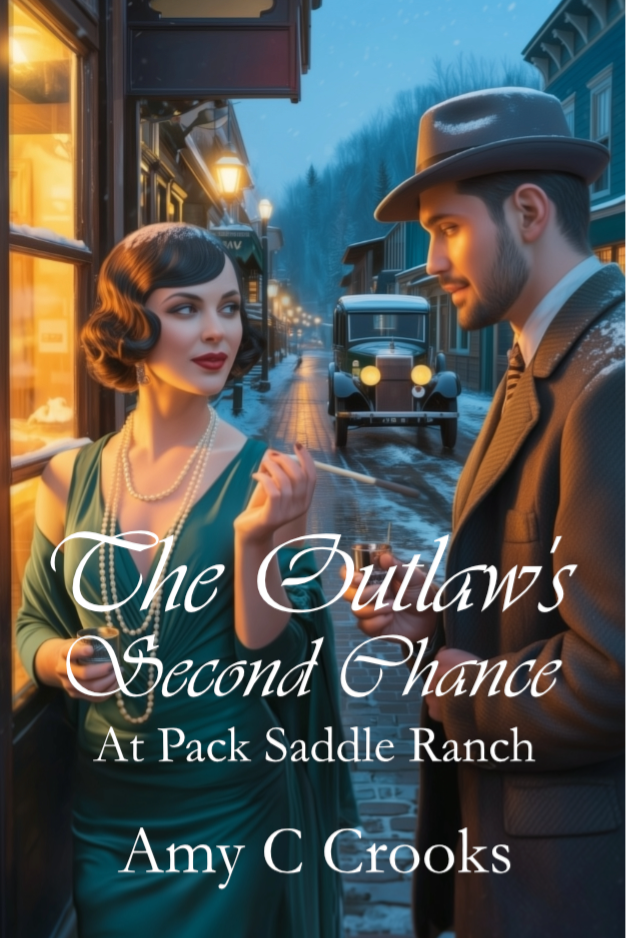
Pack River series
   |
Until next time, |
Leave a Reply